
Lethwei is considered by many to be one of the most brutal martial arts of all time. So you might ask what is Lethwei? – Known as the art of nine limbs. Fists, elbows, knees and headbutts. Yes headbutts are legal. Unfortunately, unless you are a hardcore martial arts fan you might not even know about this sport. Today we look at the history of the sport, the rules some notable fighters from within the sport.
Introduction to the sport
Joe Rogan talks about Lethwei with Gordon Ryan. They talk about the brutality of the sport and the fact it is relativity unknown to most martial arts fans.
Origins of the sport
Deeply rooted in the rich cultural heritage of Myanmar (formerly Burma) Lethwei boasts a remarkable history that spans centuries, The origins of Lethwei can be traced back to the ancient kingdom of Bagan in Myanmar, around the 11th century. Initially, it was known as Naban, meaning “Royal Boxing,” as it was primarily practiced by the nobility and warriors. As the sport evolved, it gained immense popularity among the common people as a form of entertainment and self-defense. In modern times individuals such as Dave Leduc have elevated the sport and brought it to the western world.
Rules of Lethwei
Lethwei has a very individual set of rules. Most interesting is only being able to win a fight by knockout/TKO. Fights that do not end with a stoppage are regarded as a draw. In some organisations the addition “revive” rule is in place. Due to the nature of this martial art many injuries can occur.
The revive rule/injury time out allows a fighter a chance to recover from a knockout. Once a knockout has occurred the fighter and team have 2 minutes to continue the fight. Dave Leduc explains the rule above. Other rules include.
- No gloves
- No intentional strikes to the back of the head or groin
- No ground fighting – Stand up only
The most famous Lethwei fighters
Dave Leduc


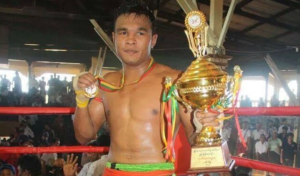
Tun Tun Min

How much to Lethwei fighters earn?
Similar to Muay Thai, and mainly due to the lack of advertisements and sponsorship Lethwei fighters earn very little. Burma being a particularly undeveloped country even this small amount is more than the average person. However, is it worth it for the damage sustained?
CTE is an injury that shows in boxing and MMA which stands for Chronic Traumatic Encephalopathy and it leads to the deterioration of brain tissue and can result in various symptoms, including memory loss, confusion, impaired judgement, aggression, depression, anxiety, impulse control problems, and eventually, progressive dementia.
Cuts, bruises, breaks and everything in-between. You could say it’s not worth it, but some people would fight for free. Just for the love of the sport and the competition.
Modern day
Striking a Balance between Tradition and Modernity: Over the past few years, there has been a deliberate focus on safeguarding the traditional elements of Lethwei while also incorporating contemporary training techniques and safety precautions. By introducing hand wraps, mouthguards, and other protective equipment, the aim is to minimize the likelihood of severe injuries while preserving the core essence of this martial art. This harmonious blend of tradition and innovation guarantees the ongoing prosperity of Lethwei while staying true to its originality.
Popularity
On October 9, 2016, for Leduc vs TTM 1, the fight attracted over 9,000,000 viewers broadcasted on MRTV-4. Dave Leduc was the challenger and Tun Tun Min was the defending Champion. After a very close back and forth fight it was declared a draw. My hope is that the sport continues to grow and expand into more western countries and becomes more accessible for us all to enjoy.
What is Lethwei?
Lethwei is a martial art that was founded by the people of Myanmar. It is known as the art of nine limbs – Fists, elbows, knees and headbutts
How is Muay Thai and Lethwei different?
The main difference between Muay Thai and Lethwei is the addition of headbutts as a mean to strike.