
Quick answer:
Dagestani fighters dominate mixed martial arts because of their deep wrestling culture, combat sambo background, extreme training discipline and the harsh environment they grow up in. Fighters from the region often train from a very young age in grappling focused sports that emphasise control, endurance and relentless pressure. Combined with a strong team culture and strict lifestyle discipline, this creates athletes who are exceptionally well prepared for the demands of professional MMA.
The wrestling culture of Dagestan
Dagestan is a mountainous region in Russia with a long history of wrestling. For many young athletes in the region wrestling is not just a sport but a major part of local culture.
Children often begin grappling training at a very young age and competitions are taken seriously within communities. Wrestling success can bring pride and recognition to families and villages, which encourages young athletes to dedicate themselves fully to the sport.
Because of this environment many fighters develop extremely strong grappling fundamentals long before they ever step into an MMA gym. By the time they transition to mixed martial arts they already possess years of high level wrestling experience.
Combat sambo and the perfect base for MMA
Many Dagestani fighters come from a background in combat sambo. Combat sambo is a Russian martial art that combines wrestling, grappling, submissions and striking.
Unlike some grappling arts, combat sambo already includes striking alongside takedowns and ground control. This makes the transition into mixed martial arts far more natural.
Fighters trained in combat sambo are already comfortable mixing striking and grappling in the same fight. This gives them an advantage over athletes who come from sports that focus on only one aspect of fighting.
For example Brazilian Jiu Jitsu is extremely effective on the ground but traditionally does not include striking as part of competition rules. This means fighters transitioning from that discipline often need additional time to adapt to MMA striking exchanges.
The discipline of the Dagestani lifestyle
Another factor often mentioned by coaches and analysts is the discipline that comes from the cultural background of many Dagestani fighters.
A large number of athletes from the region are practicing Muslims. Because of this lifestyle certain distractions are commonly avoided including alcohol, gambling and nightlife culture.
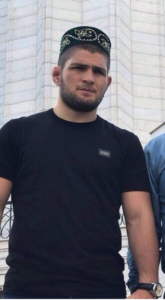
This disciplined lifestyle allows many fighters to focus almost entirely on training, recovery and competition preparation. Maintaining a structured daily routine without these distractions can provide a clear advantage in a sport that demands constant dedication.
Harsh geography builds resilience
Dagestan is known for its rugged mountains and harsh winters. Growing up and training in this environment can help build both physical and mental toughness.
Training camps in the region often include running in cold weather, hill sprints and high endurance grappling sessions. These demanding conditions can help create fighters with exceptional resilience and stamina.
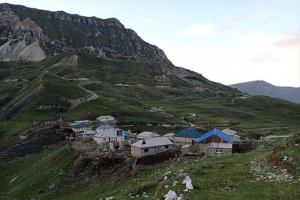
Many coaches believe the environment itself plays a role in shaping the mentality of athletes from the region.
Iron sharpening iron training camps
Another key reason for the success of Dagestani fighters is the strong team culture that has developed over many years.
Elite fighters often train together regularly which creates an environment where high level athletes constantly push each other to improve. This situation is often described as iron sharpening iron.

Новости ННТ, CC BY 3.0 https://creativecommons.org/licenses/by/3.0, via Wikimedia Commons
Training with teammates who are already world class grapplers forces fighters to adapt quickly and develop stronger defensive skills. The overall standard inside these gyms becomes extremely high.
This environment has helped produce numerous elite competitors who can perform successfully on the global stage.
The meme that became reality
In recent years a popular internet meme has circulated in the MMA community which says that spending two or three years training in Dagestan will completely transform a fighter.
While originally intended as a joke, the phrase has become mainstream because of how effective the training environment appears to be. Fighters who travel to train in the region often report extremely intense grappling sessions and a culture that revolves entirely around improvement.
The reputation of these camps has grown so strong that many athletes now consider travelling there to develop their wrestling skills.
Economic motivation and the path to fighting
Limited economic opportunities in some areas of Dagestan have also played a role in the growth of combat sports in the region.
For many young athletes becoming a successful fighter can represent a path toward financial stability and international recognition. This strong motivation often drives fighters to dedicate themselves fully to training.
A similar dynamic can be seen in Thailand where many young athletes pursue Muay Thai as a professional career path. You can learn more about that in this article about Muay Thai as a combat sport
When fighting becomes both a cultural passion and an economic opportunity the level of dedication can increase dramatically.
Rumours and controversies around PEDs
As with many dominant groups in sport there have occasionally been rumours regarding performance enhancing drugs.
Some commentators have speculated about the possibility of PED use within certain training camps. Comedian and commentator Joe Rogan once joked on his podcast that testing officials travelling to remote regions could potentially face delays before reaching some gyms.
However it is important to note that there has never been clear public evidence linking the major Dagestani champions to confirmed PED violations. Most of their success is widely attributed to their wrestling culture, discipline and intense training environments.
Famous Dagestani fighters
Several world class athletes from Dagestan have helped bring global attention to the region.
Khabib Nurmagomedov
Khabib Nurmagomedov became one of the most dominant fighters in MMA history. His relentless wrestling pressure and ground control made him extremely difficult to defeat.
Islam Makhachev
Islam Makhachev has continued the legacy of Dagestani dominance with a similar grappling heavy style built around control, takedowns and positional dominance.
Magomed Ankalaev
Magomed Ankalaev represents the next generation of fighters from the region and combines strong wrestling skills with powerful striking.
These athletes have helped establish Dagestan as one of the most successful talent producing regions in modern MMA.
Why Dagestani fighters are so difficult to beat
Several key factors combine to make fighters from the region extremely dangerous opponents.
A lifelong wrestling culture that builds elite grappling skills
Combat sambo training that blends striking and grappling
Strict lifestyle discipline and focus on training
Harsh environments that develop resilience and toughness
Strong team camps where elite fighters constantly train together
These elements create a system that consistently produces highly effective mixed martial artists.
Frequently asked questions
Why are Dagestani fighters so good at wrestling
Wrestling is deeply embedded in the culture of the region and many athletes begin training as children. Years of competition and daily practice produce extremely strong grappling skills.
What martial art do Dagestani fighters train
Many fighters from the region train in combat sambo alongside freestyle wrestling. Both styles translate very effectively into mixed martial arts competition.
Why do Dagestani fighters dominate MMA
Their dominance comes from a combination of wrestling culture, disciplined training environments, combat sambo experience and strong team camps that continuously produce elite athletes.